A match score you can sort
Every profile carries a percentage and a marker for each requirement, so the strongest candidates rise to the top on their own.
Tell Arbi what makes a good candidate, great. Arbi grades each candidate against every role fit criteria, scores overall fit, and shows the evidence behind each decision.
Request a Demo


Set the criteria once and Arbi evaluates the whole stage against them. Each candidate comes back with a match percentage and a column for every requirement, so the ranking is something you can defend rather than a feeling.
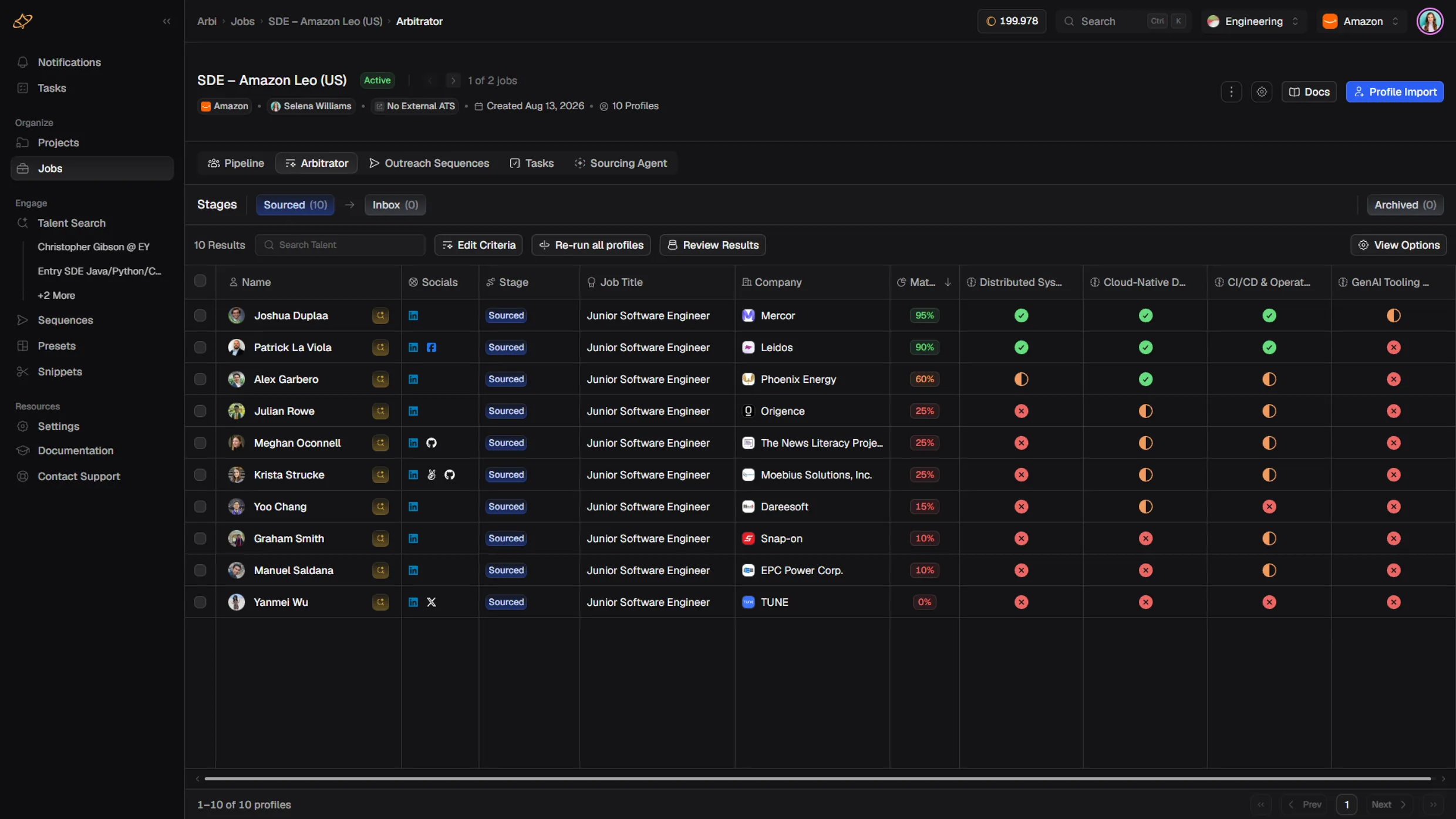
Every profile carries a percentage and a marker for each requirement, so the strongest candidates rise to the top on their own.
Describe the role or point Arbi at the posting, and it proposes the requirements worth testing, ordered by importance and yours to edit.
Adjust a requirement and score the entire stage again in one click, with no spreadsheet to rebuild and no profile reviewed twice by hand.
Open any candidate and Arbi shows what it found, which requirement it satisfies, and where in the profile it came from. You advance or reject with a reason you would be happy to put in writing.
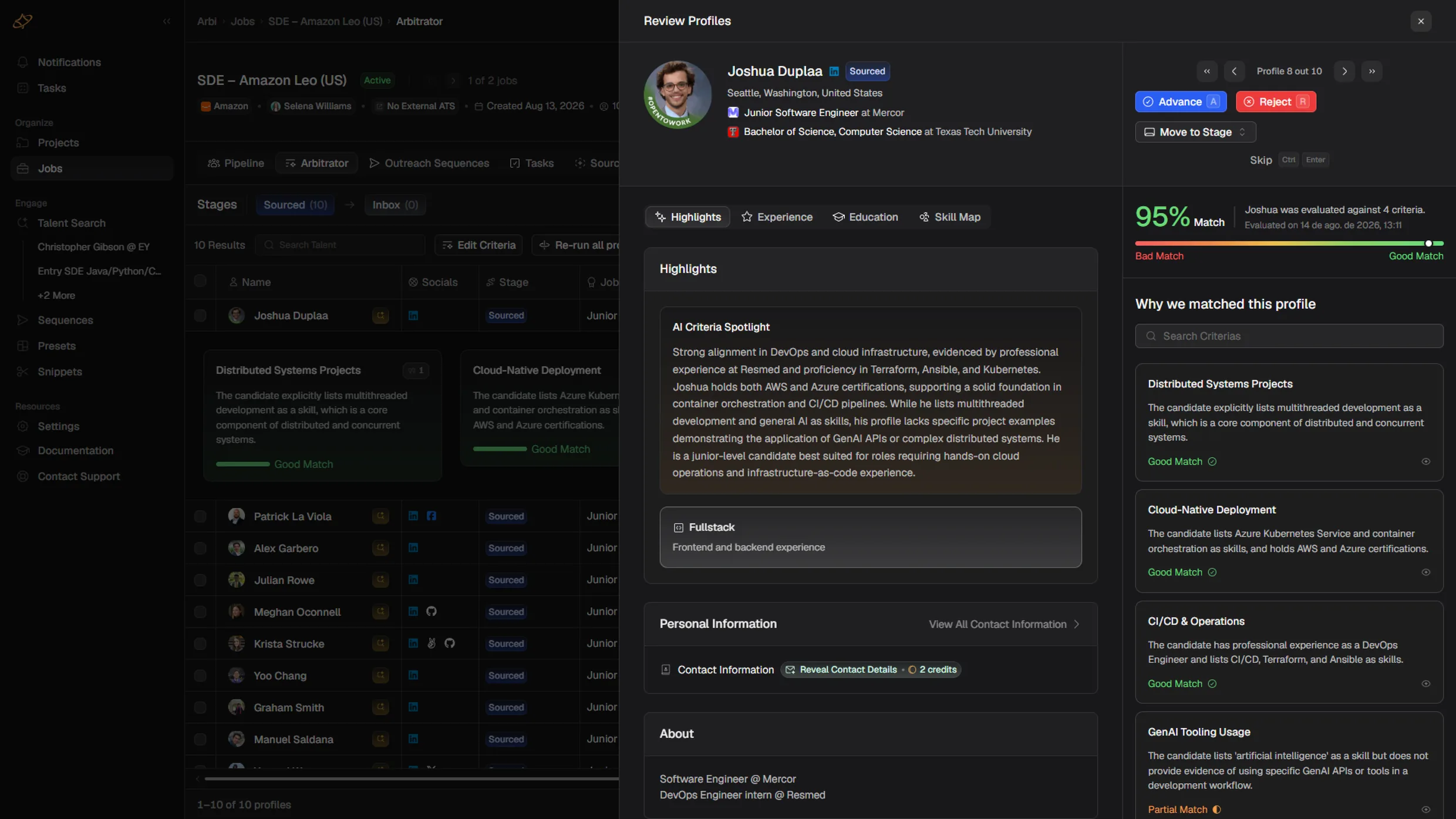
Each requirement carries the detail from the profile that satisfied it, marked as a good, partial, or poor match, so nothing is scored on faith.
Move through the stage from the keyboard, leave a decision on every profile, and send the ones you keep straight into a sequence or your ATS.
Arbi sorts everything a candidate has actually worked with into a readable map, from back end languages to cloud platforms, so real depth is easy to tell apart from a keyword that appears once.
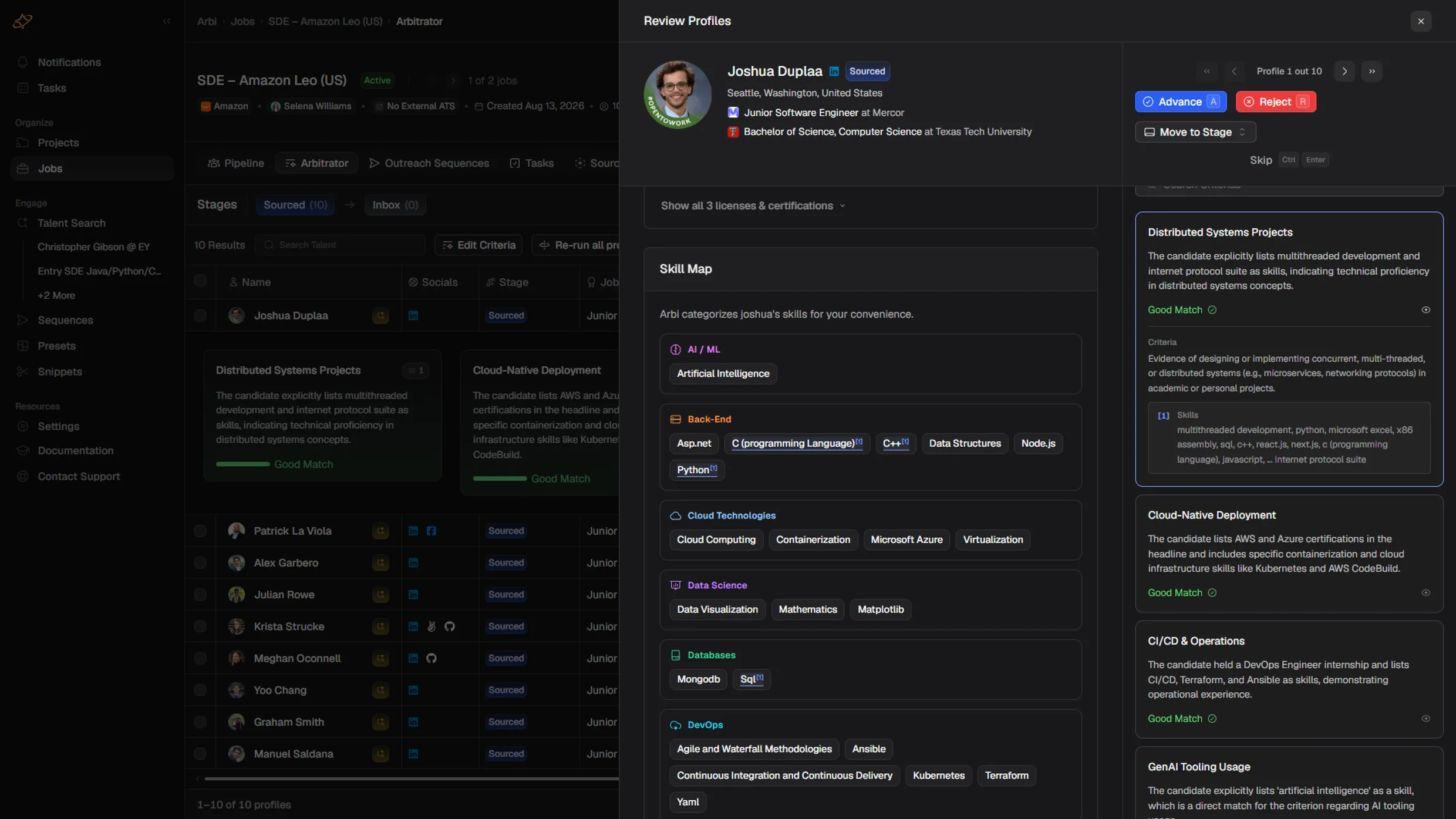
Back end, cloud, data, and DevOps skills are categorised for you, with how often each one appears so a passing mention never reads like expertise.
A short written spotlight explains where the candidate is strong, where they are light, and which level of role they are actually suited to.
Tenure, progression, certifications, and licences sit next to the criteria they satisfy, so you never open three tabs to verify one claim.

“We used to spend hours reviewing resumes and chasing hiring signals, but Arbi made candidate screening feel instant.”Book a Demo
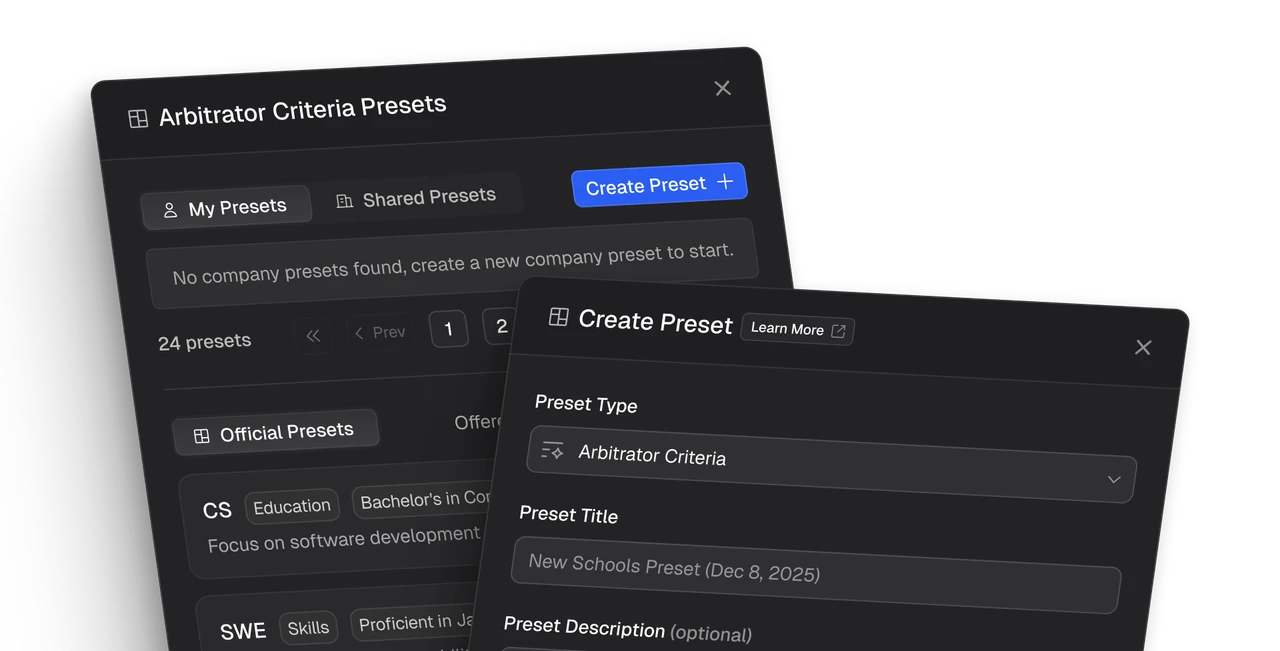
Save the requirements for a role once, then reuse them the next time it opens. Share presets across the company so every recruiter screens against the same bar, whoever picks up the req.
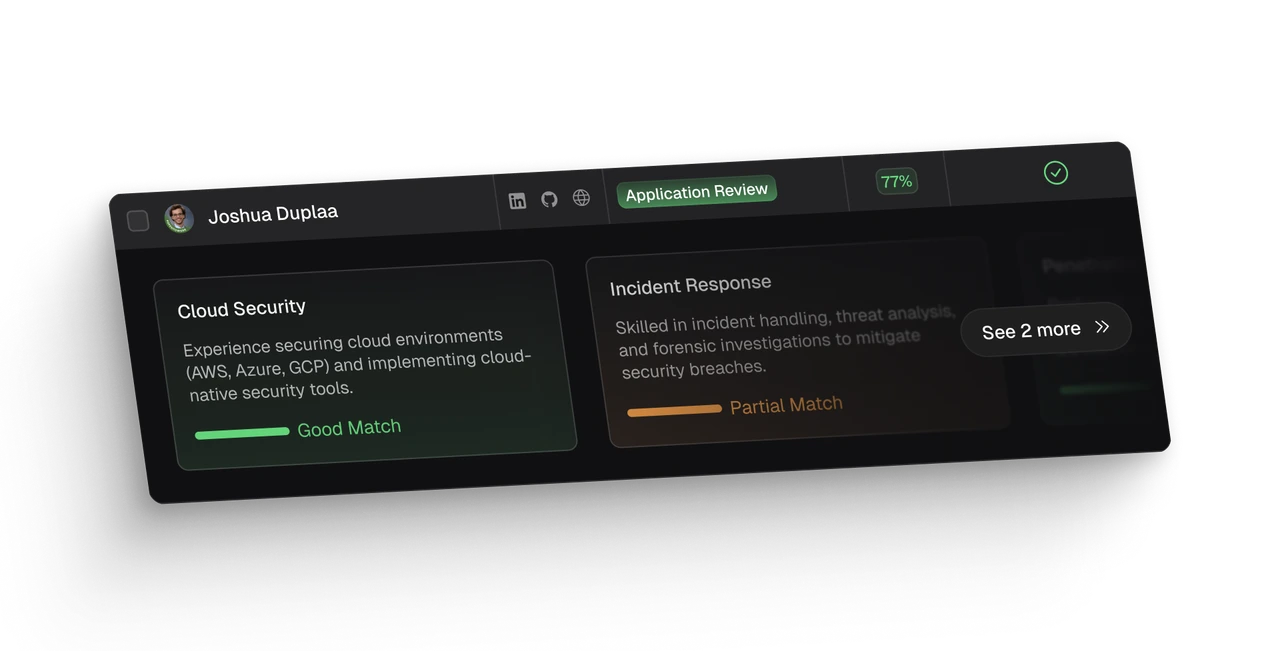
Expand a candidate to see the reasoning behind each criterion, not just the number. Good, partial, and poor matches all cite the evidence from the profile that earned them.
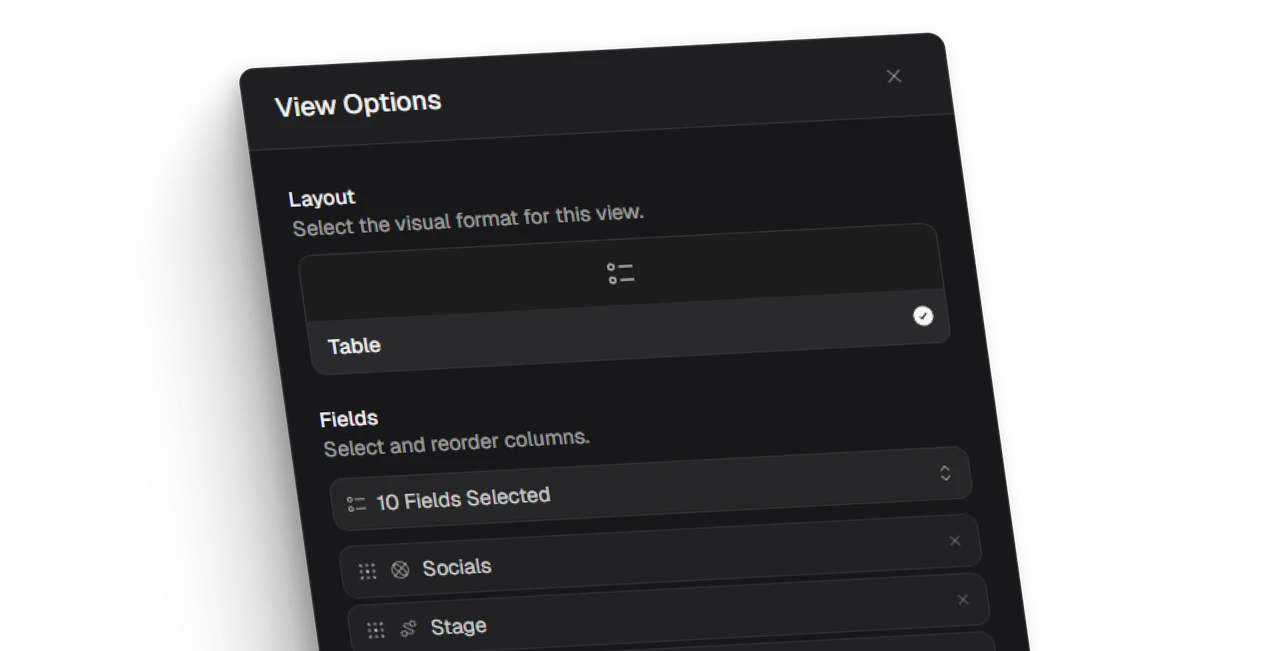
Pick the columns that matter for the role, reorder them, and choose how results are laid out. Set the view once and everyone screening that pipeline reads the same thing.
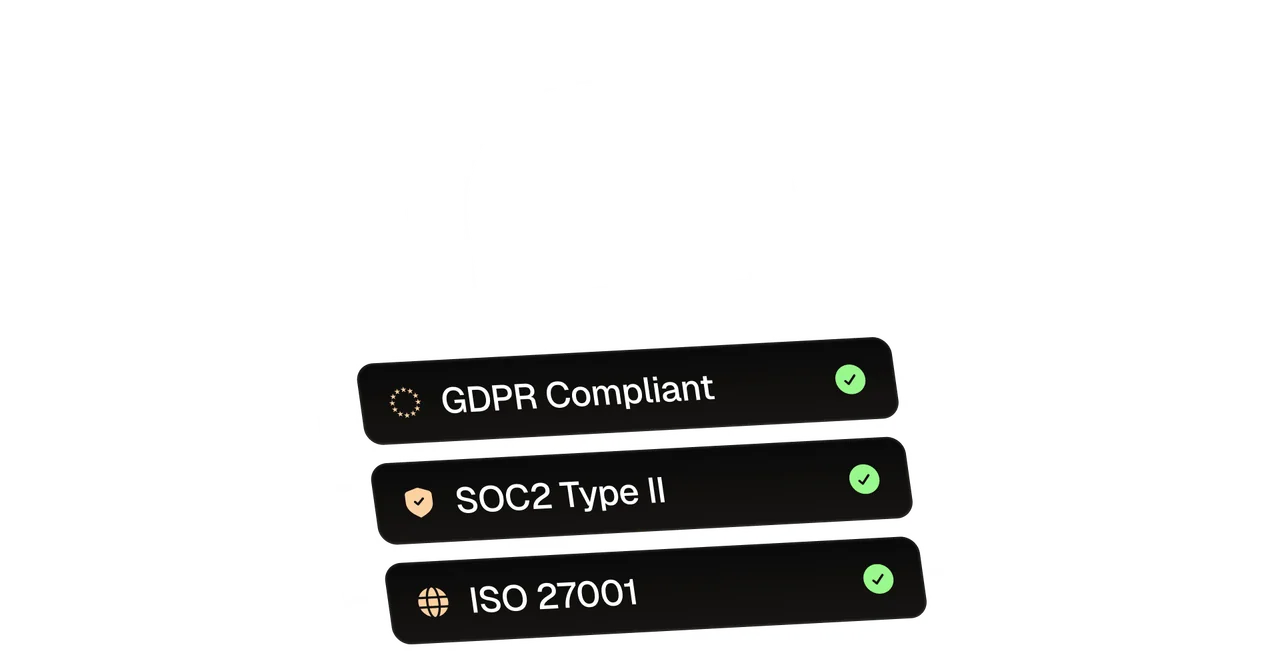
SOC 2 Type II, SSO and SAML, SCIM provisioning, role based permissions, and data residency controls, with every screening decision logged to an audit trail.







Connect Arbi to your existing stack with 50+ integrations built for modern hiring workflows.





AI candidate screening replaces the first manual pass through a pile of resumes with a system that evaluates everyone against the same written standard. You define what the role actually requires, and the software reads every profile in the stage, decides how well each one meets each requirement, and ranks the results. The review that used to take a full day of skim reading happens while you are in a kickoff call.
You give Arbi a set of criteria, either written in your own words or drafted for you from the job. Arbi then evaluates every profile in the selected stage against each criterion, marks it as a good, partial, or poor match, and produces an overall percentage. Nothing is discarded on your behalf. You get a ranked list and the reasoning behind it, and you make the call.
Yes, and you should. Criteria are written in plain English, ordered by importance, and editable at any time. Arbi can propose a starting set from the job description, but every line is yours to rewrite, reorder, or delete. Save the final version as a preset and the next recruiter who opens the role screens against exactly the same bar.
Accuracy comes from being specific. A criterion like strong engineer produces noise, while a criterion that asks for demonstrated experience deploying containerised services on AWS produces a decision you can check. Arbi shows the evidence it used for every judgement, so you can see immediately where it read the profile correctly and where the requirement needs sharpening.
Screening by hand is where inconsistency usually enters, because the tenth resume of the morning never gets the attention the first one did. Arbi applies identical criteria to every profile in the stage, records the reasoning for each score, and keeps the full history, which gives you something reviewable rather than a set of decisions nobody can reconstruct later.
Yes. Pick any stage in the pipeline, from sourced profiles to inbound applications sitting in your ATS, and run the same criteria across it. That matters when a role attracts hundreds of applicants and a handful of sourced people, because both groups end up measured against the role rather than against each other.
Yes. Arbi reads the candidates already in your ATS, writes scores and stage changes back, and pushes anyone you advance into the next stage or an outreach sequence in one click. Your ATS stays the record of truth and nobody has to retype a decision into a second system.
Arbi is SOC 2 Type II certified and supports SSO and SAML, role based permissions, and data residency controls. Candidate deletion requests are honoured across the platform, and every profile view and screening decision is logged so you can show exactly who saw what.